Water mains leak detection in Easingwold
Water mains leak detection finds hidden leaks in underground supply pipes using acoustic ground microphones, tracer gas and pressure testing.

Non-invasive leak detection
Acoustic, thermal and tracer gas
Trace and access claim reports
What are the signs of a water mains leak?
A meter turning with every tap off, rising bills or wet ground can indicate a leak. ADI Leak Detection Easingwold locates and marks the leak before digging begins.
A supply pipe leak is underground, so the signs below are usually all you see of it:
- The meter dial moves when every tap and appliance in the house is off
- A Yorkshire Water bill that has climbed with no change in how much water you use
- Pressure that drops away when more than one outlet runs
- Wet ground, sinking block paving or a patch of lawn that stays green in July
- A Yorkshire Water leak notification letter through the door
If the water is going from the garden watering pipes, irrigation leak detection tests those. A falling pool level calls for swimming pool leak detection to test the pool shell and circulation pipework.
Where do water mains leaks occur in Easingwold?
Water mains leak detection traces concealed supply losses at Easingwold homes and commercial premises.
- The team investigates signs such as unexplained consumption or a wet area along an incoming water route. Market Place and Long Street provide the town's documented civic and retail reference points.
- For a building in this setting, identify where the supply enters and whether it feeds more than one occupied space. Tell us about any accessible meter, internal stop tap and outside sections beneath paving.
- A historic frontage cannot show how a connection has changed behind it. The team uses the observed water loss and the test points available to narrow the search, with the present installation guiding the checks.
How does ADI Leak Detection Easingwold find a water mains leak?
The engineer isolates and pressure tests the supply pipe, listens along its route with ground microphones and confirms the leak with tracer gas before marking it. Once the position is found, the engineer explains it on site before any repair is discussed.
The pipe is usually a metre down and the sound of it travels, so tracing it first helps you avoid unnecessary digging.
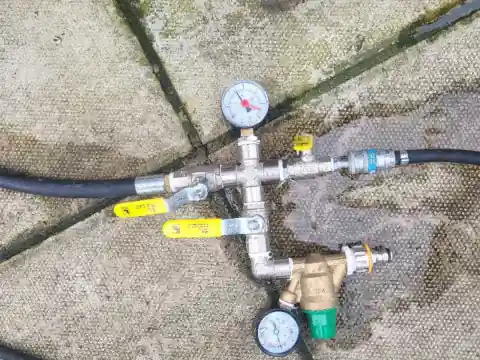
Pressure testing confirms and measures water loss from the mains pipe. The engineer first isolates the supply at the boundary stop tap, then tests the pipe before tracing the leak.
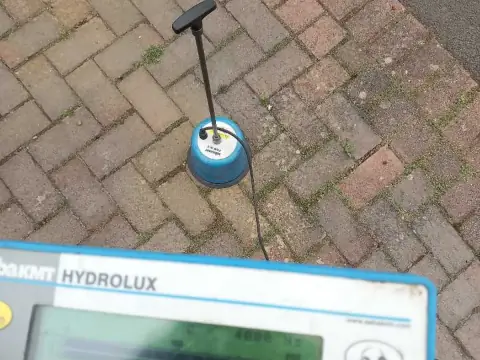
Acoustic ground microphones pick up the sound of water escaping beneath the surface. The engineer moves them along the pipe route in short steps.
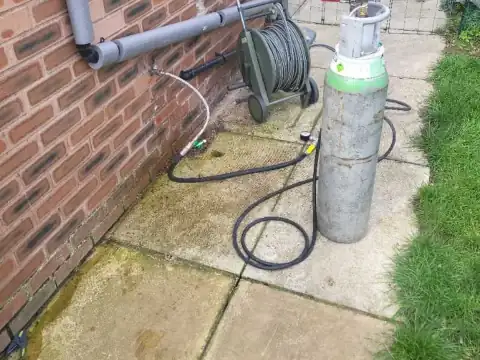
Hydrogen tracer gas is introduced into the isolated mains pipe and detected at the surface above the escape. The engineer uses this method where ground noise or a slab affects the search.
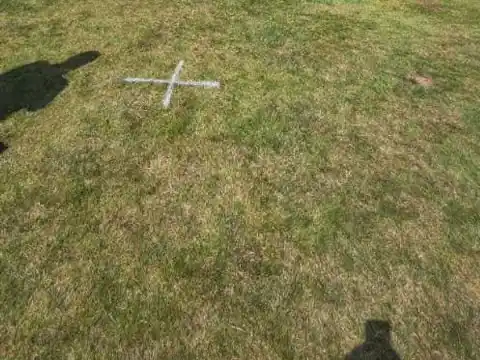
The water mains leak position is marked on the ground and measured back to a fixed point, so whoever digs knows where to open up.
Which water supplier and sewerage company serve Easingwold?
Easingwold is identified within Yorkshire Water’s water-supply and sewerage areas. Confirm the account and the particular connection serving your premises when deciding who should deal with a leak. Yorkshire Water explains that a private supply shared by neighbours brings joint responsibility for leaks on that pipe.
A problem inside the building or on a drain still needs the affected section identified. Give that connection information alongside the symptoms when arranging an investigation.
Who maintains the private water supply pipe?
The homeowner usually maintains the water supply pipe into the property, internal plumbing and stop taps on the property. Yorkshire Water usually maintains water mains, communication pipes, meters and stop taps in roads or pavements. Confirm responsibility where the pipe layout is unclear.
Who maintains a shared water supply pipe?
Neighbours who share a supply pipe are jointly responsible for maintaining and repairing it.
What happens after a water mains leak is found?
Water mains leak repairs by ADI Leak Detection Easingwold are guaranteed. If the leak is on Yorkshire Water's side of the boundary stop tap, the report identifies that so you can pass it to them.
Every leak detection visit ends with a written report by the engineer who attended, with photographs and video, formatted for trace and access and escape of water insurance claims.
- The leak position marked on site and explained before you decide anything
- Photographs and video in the written report
How do you arrange water mains leak detection in Easingwold?
Send the form with your postcode and a technical advisor will call you back, confirm the service and book the visit.
If you are unsure which investigation you need, describe what you can see when you call and the advisor will tell you.
Same or next day depending upon engineer availability.
What do people ask about water mains leak detection?
Four questions come up before a water mains survey: how long it takes, who owns the pipe, whether the driveway gets dug up and how the leak is pinpointed underground.
How long does a water mains leak detection visit take?
It depends on the property and how much of the system has to be tested, so the advisor gives you an estimate when you book.
Who is responsible for a leaking water main in Easingwold?
Your side of the boundary stop tap is yours and the street side is Yorkshire Water’s, and the report says which side the leak is on.
Does finding a water mains leak mean digging up the driveway?
Water mains leak detection traces the pipe from the surface with acoustics, tracer gas and a pressure test. Digging happens once, at the marked point, only if you want the repair done.
What is leak noise correlation?
Leak noise correlation is a way of estimating where a leak sits on a buried pipe. Two sensors are clamped to fittings at either end of the run, the leak noise reaches each one at a slightly different moment, and the time difference gives a distance along the pipe. ADI Leak Detection Easingwold finds water mains leaks with acoustic ground microphones, tracer gas and pressure testing.